



Power of percussion therapy for muscles and joints

What is percussion therapy?
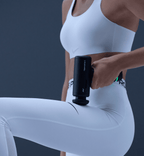
Percussion therapy, often referred to as vibration therapy, involves the use of a device that delivers rapid, concentrated pulses to targeted areas of the body. These pulses penetrate deeply into the muscle tissue, promoting blood flow and aiding in the recovery process. The therapy is typically administered using a handheld device, like Hyperice’s massage gun, which comes with different attachments to target specific areas more effectively.
This type of therapy is particularly popular among athletes and physical therapists due to its ability to enhance muscle recovery, reduce muscle stiffness, and even improve range of motion. The devices used in percussion therapy vary in intensity, allowing users to adjust the settings based on their comfort and therapeutic needs.
How does percussion therapy work?
Percussion therapy works by applying rapid, repetitive pressure to the muscles. This pressure stimulates blood flow to the affected areas, which can help reduce muscle soreness, break up scar tissue, and improve the overall flexibility of the muscles and joints. Here's how the process works:
Stimulation of blood flow
When the muscles are stimulated by the rapid pulses, blood flow to the area is increased. This increased circulation delivers more oxygen and nutrients to the muscle tissues, which are essential for repair and recovery. Enhanced blood flow also helps in removing waste products like lactic acid, which can build up in muscles after intense exercise and contribute to soreness and stiffness.
Reduction of muscle tension
Percussion therapy helps in reducing muscle tension by loosening up tight muscles and breaking down knots or adhesions that might have formed due to overuse, injury, or prolonged periods of inactivity. This loosening effect can lead to immediate relief from discomfort and an improvement in muscle flexibility.
Enhancement of lymphatic drainage
The lymphatic system plays a crucial role in removing toxins and waste from the body. Percussion therapy stimulates the lymphatic system, helping to drain lymphatic fluids more effectively. This can reduce swelling and inflammation, which are common in conditions like lymphedema or after intense physical activity.
Release of trigger points
Trigger points are specific spots in the muscle that are often the source of pain and discomfort. These are commonly known as "knots." Percussion therapy targets these points directly, helping to release the tension and reduce the associated pain. The deep, targeted pulses can break down these tight areas and promote relaxation in the surrounding muscles.
Uses of percussion therapy
Athletic recovery and warm-up
Athletes often use percussion therapy to enhance their recovery after intense workouts or to warm up before workouts. The therapy helps reduce muscle soreness, improve flexibility, and prepare the muscles for the next training session. By increasing blood flow and breaking down muscle adhesions, percussion therapy can speed up the recovery process, allowing athletes to perform at their best more consistently.
Injury rehabilitation
In rehabilitation settings, percussion therapy is used to assist in the recovery of injuries such as sprains, strains, and muscle tears. The therapy helps in reducing inflammation and scar tissue formation, both of which can impede recovery. By keeping the muscles loose and promoting circulation, percussion therapy can complement other rehabilitation techniques like physical therapy exercises.
Chronic pain management
For those suffering from chronic pain conditions, such as fibromyalgia or arthritis, percussion therapy can provide much-needed relief. The gentle yet effective pulses help to relax tense muscles, reduce inflammation, and improve overall mobility. While it is not a cure for these conditions, percussion therapy can be an effective tool in managing symptoms and improving quality of life.
Stress relief and relaxation
Beyond physical benefits, percussion therapy can also be used for relaxation and stress relief. The rhythmic pulses have a calming effect on the nervous system, helping to reduce stress levels and promote a sense of well-being. It's a great way to unwind after a long day, ease tension in the body, and improve sleep quality.
The power of percussion therapy
Percussion therapy is a powerful and versatile tool that can benefit a wide range of individuals, from athletes to those dealing with chronic pain. By stimulating blood flow, reducing muscle tension, and enhancing lymphatic drainage, it offers a comprehensive approach to muscle and joint health.
Whether you're looking to improve your athletic performance, recover from an injury, or simply relax and unwind, incorporating percussion therapy into your routine can make a significant difference in your overall well-being.


