


Understanding and managing leg swelling after air travel: Essential tips and health insights

What causes swollen legs after flying?
Leg swelling, often referred to as edema, is a frequent occurrence after long-haul flights. Several factors contribute to this condition. One primary cause is reduced blood circulation during extended periods of immobility. When seated for an extended time, especially in cramped conditions, blood flow in your legs slows down, leading to fluid retention and swelling. The altitude and cabin pressure in an aeroplane can also affect blood circulation.
Another factor is dehydration. Cabins in aeroplanes have low humidity levels, which can cause dehydration. When you're dehydrated, your body retains sodium, leading to swelling.
Are there people at increased risk of leg swelling during flights?
Certain individuals are more susceptible to leg swelling during flights. This includes:
-
People with pre-existing medical conditions: Individuals with conditions like venous insufficiency, deep vein thrombosis (DVT), or heart conditions may be at higher risk.
-
Pregnant women: Pregnancy can increase the risk of edema, and flying during pregnancy may exacerbate this.
-
Those with limited mobility: If you have difficulty moving or are confined to a small space, you may be at an increased risk.
-
Frequent flyers: People who frequently take long flights may be more prone to leg swelling due to cumulative effects.
How can I prevent leg swelling during long flights?
Preventing leg swelling during long flights is crucial for your comfort and overall health. Here are some effective strategies:
-
Stay hydrated: Drink plenty of water throughout the flight to prevent dehydration and fluid retention.
-
Move regularly: Get up and walk around the cabin at regular intervals. In-seat leg exercises, such as ankle circles and knee lifts, can also help maintain circulation.
-
Wear compression stockings: Graduated compression stockings can assist in improving blood flow and reducing swelling. Ensure they fit properly and consult with a healthcare professional if needed.
-
Choose an aisle seat: Opt for an aisle seat to make getting up and moving around easier during the flight.
-
Elevate your legs: When seated, try to elevate your legs slightly to encourage blood flow back to the heart.
What are the best practices for swollen legs after flying?
After landing, taking certain steps can help alleviate leg swelling:
-
Continue to stay hydrated: Keep drinking water to flush out excess sodium and reduce swelling.
-
Elevate your legs: Whenever possible, elevate your legs to promote fluid drainage.
-
Avoid alcohol and salty foods: These can contribute to dehydration and exacerbate swelling.
-
Consider compression garments: If you're prone to leg swelling, wearing compression stockings post-flight can be beneficial.
-
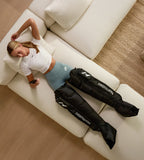
Use compression boots: Compression wraps like the Normatec Go help to increase blood circulation and reduce swelling.
Can in-flight leg exercises reduce the risk of swelling?
Yes, in-flight leg exercises can be effective in reducing the risk of leg swelling after flying. Simple exercises like ankle circles, knee lifts, and foot pumps can help keep blood circulating in your legs. Perform these exercises regularly throughout the flight, and consider walking up and down the aisle when it's safe to do so.
In conclusion, understanding and managing leg swelling after flying is essential for a comfortable and healthy travel experience. By knowing the causes, identifying those at increased risk, and implementing preventive measures such as staying hydrated, moving regularly, and considering compression boots, you can significantly reduce the chances of experiencing swollen legs after your next flight. Additionally, in-flight leg exercises can play a pivotal role in promoting circulation and minimizing discomfort during air travel.


