



Foam roller vs massage gun: Which recovery tool is right for you?

Which recovery tool is right for you?
When it comes to enhancing muscle recovery and easing soreness, the tools you choose can significantly impact your wellness routine. Hyperice offers two versatile products in this category: the Vyper foam roller and the Hypervolt massage gun. Each tool has its unique benefits and uses, empowering athletes and fitness enthusiasts to tailor their recovery to their specific needs.
What are the main differences between using a foam roller and a massage gun?
Mechanism of action
-
Foam roller: Utilizes body weight to apply pressure and roll out muscles, aiding in myofascial release.
-
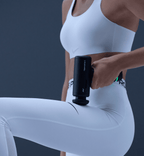
Massage gun: Delivers rapid, percussive massage to the muscle, deeply penetrating the tissue for immediate relief.
Ease of use
-
Foam roller: Requires physical effort and technique to maneuver body weight for effective use.
-
Massage gun: User-friendly and less physically demanding, often just requires holding the device against the muscle.
Targeted treatment
-
Foam roller: Best for larger muscle groups and general tension relief; less precise.
-
Massage gun: Highly effective for targeting specific areas of tightness or pain with greater precision.
Portability
-
Foam roller: Generally lightweight and easy to transport but larger in size than most massage guns.
-
Massage gun: Compact and often comes with a carrying case, making it ideal for travel.
Intensity and customization
-
Foam roller: Pressure can be adjusted by changing how much body weight is applied.
-
Massage gun: Offers adjustable speeds and attachments for varying levels of intensity and focus.
Recovery impact
-
Foam roller: More passive and suitable for general maintenance and mild soreness.
-
Massage gun: Aggressive and can be more effective for deep muscle recovery and reducing recovery time.
These differences highlight each tool's unique advantages, depending on your specific recovery needs and preferences.
What factors should I consider when deciding between a foam roller and a massage gun?
Ease of use: The Hypervolt offers a more hands-off approach to muscle recovery. It's easy to handle and does not require the body weight adjustments that foam rolling with the Vyper entails. This can be a significant advantage for those with limited mobility or who prefer a more straightforward tool.
Intensity of therapy: While the Vyper foam roller effectively releases muscle tension, the Hypervolt provides a more intense, deep-tissue massage. This makes the Hypervolt ideal for those with severe muscle tightness who need a more powerful solution.
Cost: Generally, traditional foam rollers are less expensive than massage guns. However, the Vyper, with its advanced features and vibration technology, aligns closer in price to massage guns but is still usually more budget-friendly than the Hypervolt.
Portability: Both the Vyper and the Hypervolt boast excellent portability. The Vyper’s compact design makes it easy to carry to the gym or store at home, while the Hypervolt’s cordless operation and carrying case make it a great option for on-the-go muscle therapy.
Which one is more effective for muscle recovery: foam roller or massage gun?
The effectiveness of the Vyper foam roller versus the Hypervolt massage gun can depend on your specific recovery needs. For deep, pinpointed therapy, particularly if you need to focus on very sore or tight areas, the Hypervolt’s percussive action is unmatched. For broader muscle groups and a gentler recovery process, the Vyper foam roller offers excellent results through traditional rolling combined with the benefits of vibration.
Conclusion
Both Hyperice’s Vyper foam roller and Hypervolt massage gun offer valuable benefits for muscle recovery and maintenance. The choice between them should be based on your specific health needs, preferences in recovery therapy and budget. Whether you choose the deep tissue capabilities of the Hypervolt or the soothing, rhythmic pressure of the Vyper, both tools are designed to help you achieve your best physical performance and recovery.


