
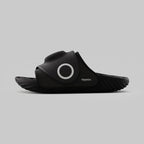




What are recovery shoes? Everything you need to know

Do recovery shoes really work? The science behind recovery footwear
The effectiveness of recovery shoes is supported by scientific principles related to blood flow and muscle relaxation. Heat therapy increases blood flow to tissues, helping deliver oxygen and nutrients while removing waste products. Studies show controlled heat can reduce muscle stiffness and improve flexibility.
Compression therapy works by applying graduated pressure to improve circulation and reduce fluid pooling. Research supports that dynamic compression can enhance circulation and lymphatic drainage, leading to faster recovery times.
The Hyperboot by Nike × Hyperice combines these approaches with three levels of heat alongside Normatec dynamic air compression technology with adjustable pressure levels. This creates a synergistic effect where heat relaxes tissues while compression enhances circulation.
What are recovery shoes used for? Understanding their benefits
Recovery shoes for athletes: Heat and massage for the feet
Athletes use recovery shoes to prepare for competition and recover afterward. The combination of heat and compression helps warm up muscles before activity, potentially reducing injury risk. Post-competition, these features help flush metabolic waste products.
For people who spend a lot of time on their feet or walking?
Recovery shoes benefit anyone who experiences foot fatigue from prolonged standing or walking. Healthcare workers, retail employees, and service industry professionals often deal with foot swelling and discomfort after long shifts. Recovery shoes counteract these effects by improving circulation.
Modern options like the Hyperboot are designed for use while standing, walking, sitting or traveling, allowing recovery to happen alongside daily activities.
How can recovery shoes help in post-training recovery?
After intense training, recovery shoes:
-
Reduce inflammation through compression
-
Increase blood flow to damaged tissues with heat therapy
-
Break up adhesions with massage-like action
-
Support mental recovery and relaxation
Using recovery shoes immediately after training helps transition the body from exertion to recovery more efficiently, particularly valuable when recovery windows are limited.
Do recovery shoes actually help in reducing foot pain and speeding up recovery?
Are recovery shoes worth it when it comes to reducing foot pain? User experiences demonstrate that yes, they can be effective. The combination of heat and compression targets both symptoms and causes of pain:
-
Heat relaxes tight muscles and increases tissue elasticity
-
Compression reduces swelling
-
Better circulation removes pain-causing metabolic byproducts
-
Gentle massage releases tension in foot structures
Athletes report that advanced recovery shoes help them take their usual warm-up and recovery routines to a new level, both physically and mentally.
How do recovery shoes compare to regular shoes in terms of comfort and support?
Recovery shoes serve a different purpose than everyday footwear. While regular shoes support the foot during activity, recovery shoes actively treat the feet after exertion.
Despite incorporating technology like heating elements and compression chambers, modern recovery footwear like the Hyperboot remains relatively lightweight (around 3.7 lbs) and allows for normal movement while wearing them.
Recovery shoes aren't intended to replace regular footwear for training but complement a comprehensive footwear rotation.
Can recovery shoes be used by people with foot conditions or injuries, and are they effective?
Recovery shoes may offer benefits for certain foot conditions, though individuals with specific diagnoses should consult healthcare providers. The heat and compression could potentially help with:
-
Plantar fasciitis, by increasing blood flow to the fascia
-
Achilles tendonitis, by warming the tendon and reducing swelling
-
General foot soreness, by enhancing circulation
The ability to adjust both heat and compression (three levels each) allows users to customize treatment based on their specific needs, making recovery shoes potentially suitable for various conditions, though they're not a replacement for medical treatment.
Whether you're an athlete or someone who deals with tired feet, recovery shoes like the Hyperboot represent an innovative approach to foot care that merges comfort with therapeutic technology.


